European partners must urgently strengthen Ukraine’s air defences, accelerate deliveries of energy equipment and increase financial support to prevent a humanitarian crisis this winter and reinforce Ukraine’s position in resisting Russian aggression.
This was the central message of the panel discussion “Winter Under Attack: Will Europe Rise to the Challenge?”, held in Brussels on October 28 as part of the Kyiv Security Forum’s special event “Support Ukraine, Defend Europe.”
The discussion brought together Maksym Timchenko, CEO of DTEK; Natalie Jaresko, former Minister of Finance of Ukraine; Alyona Getmanchuk, Head of Ukraine’s Mission to NATO; Taras Kachka, Head of Ukraine’s Mission to the EU; Ivanna Klympush-Tsintsadze, Chair of the Verkhovna Rada Committee on Ukraine’s Integration into the EU; and and Kurt Volker, former US Special Representative for Ukraine Negotiations. The discussion was moderated by Mark Lobel, BBC journalist.
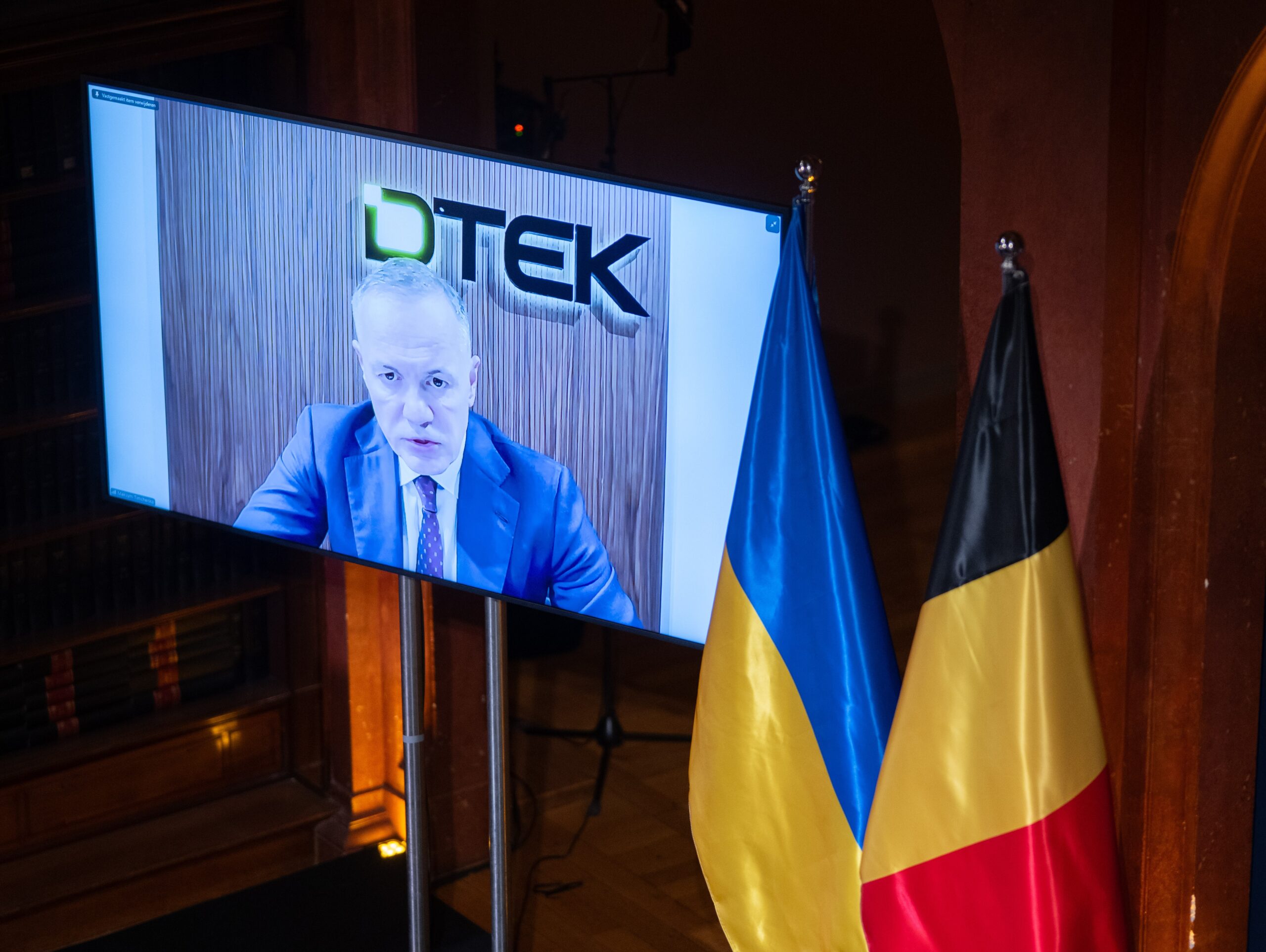
Maksym Timchenko warned that Russian attacks on power grids and substations threaten electricity supplies even when sufficient generation capacity is available.
According to Timchenko, Russia is attempting to break Ukraine’s integrated power system into isolated sections, with Kyiv and the central and eastern regions facing the greatest risks.
In the worst-case scenario, if attacks continue at their current intensity, electricity in Kyiv could be supplied primarily to critical infrastructure, leaving households with power for only two or three hours a day. However, Timchenko expressed confidence that Ukraine would find a way to avoid such an outcome.
He stressed that the main challenge remains the shortage of active protection for energy facilities, particularly air defence ammunition. Just a few massive attacks could undo months of infrastructure restoration efforts.
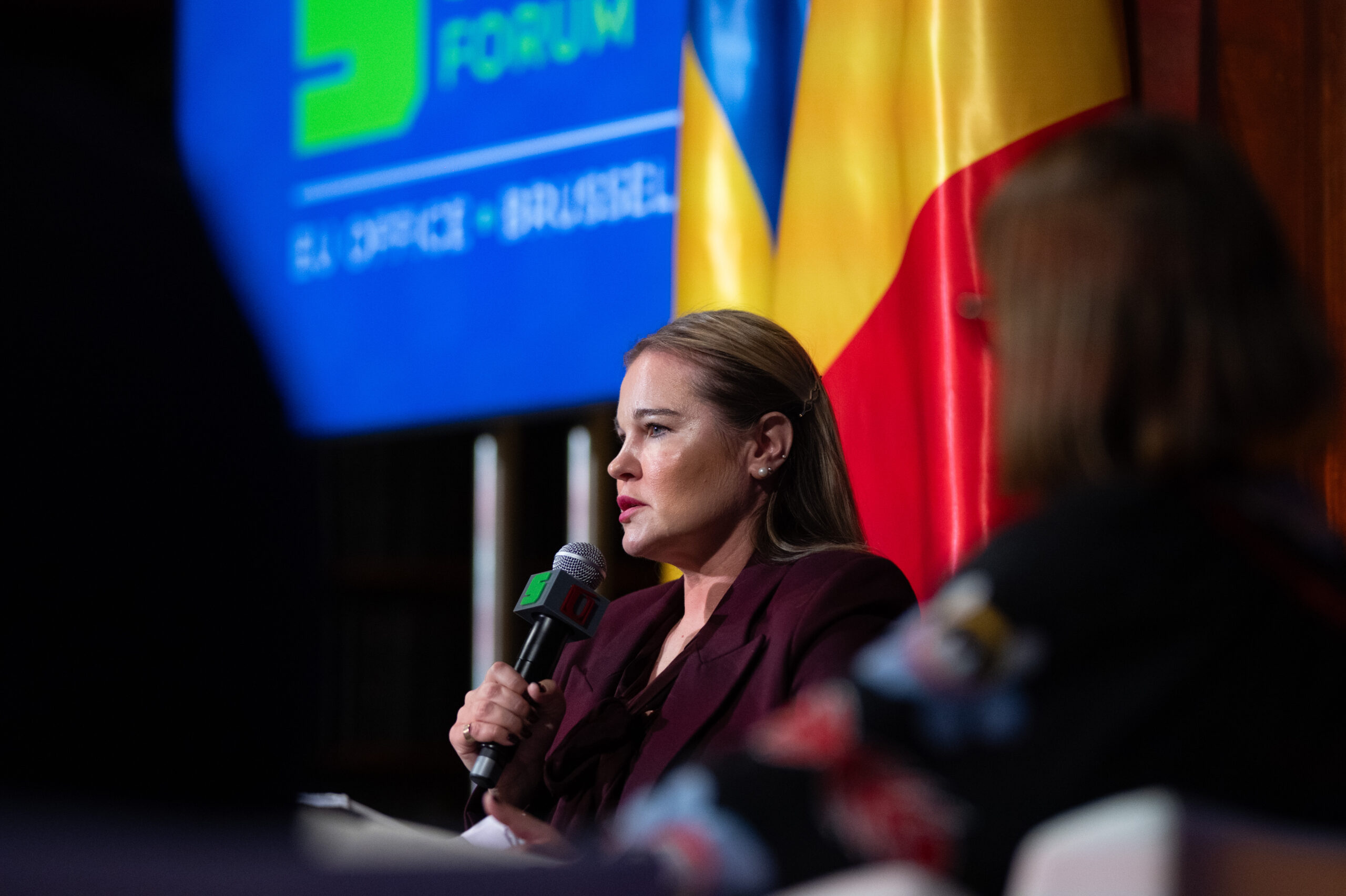
Alyona Getmanchuk argued that protecting Ukraine’s energy infrastructure requires more than air defence and physical fortifications. It also requires proactive defence, including long-range strikes against Russian missile and drone launchers and defence production facilities.
“Air defence is like a painkiller. It can alleviate the symptoms, but you need to target the source of the pain,” the Head of Ukraine’s Mission to NATO said.
According to Getmanchuk, the PURL initiative remains Ukraine’s principal source of critical air defence capabilities, including Patriot interceptors. She noted that the greatest obstacle to obtaining additional interceptors from Allied stockpiles is often not their limited availability, but insufficient political willingness to make the necessary decisions.
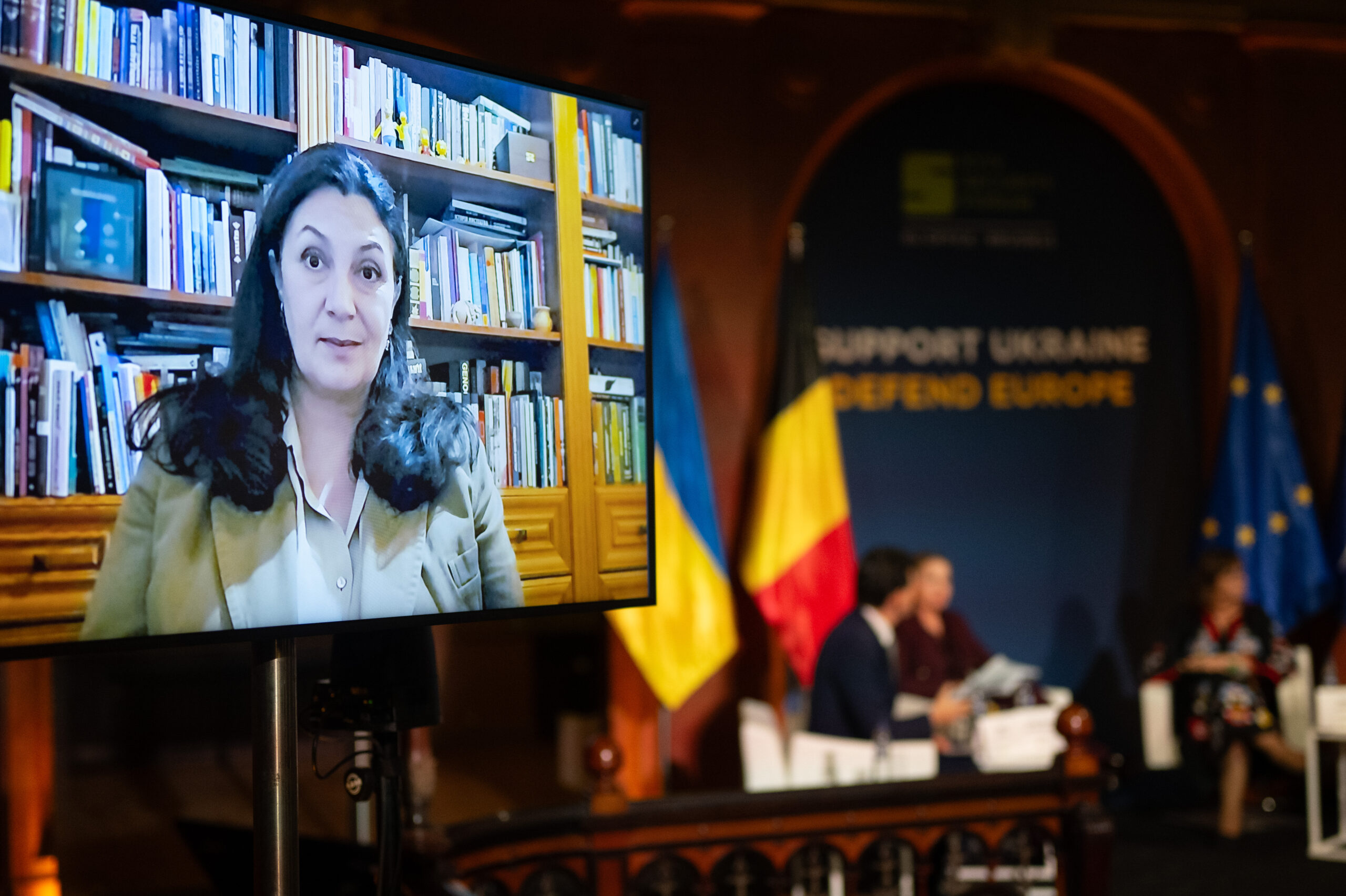
Ivanna Klympush-Tsintsadze called on international partners to move from statements to concrete action.
“It’s the interceptors, it’s specific types of ammunition, radio electronic warfare. And definitely, you know, it’s transformers, it’s specific repair equipment, it’s the energy support fund and not sympathy that is needed at this particular moment,” she said.
The Ukrainian parliamentarian also stressed the need to increase sanctions pressure on Russia and ensure Europe’s participation in future negotiations on ending the war.
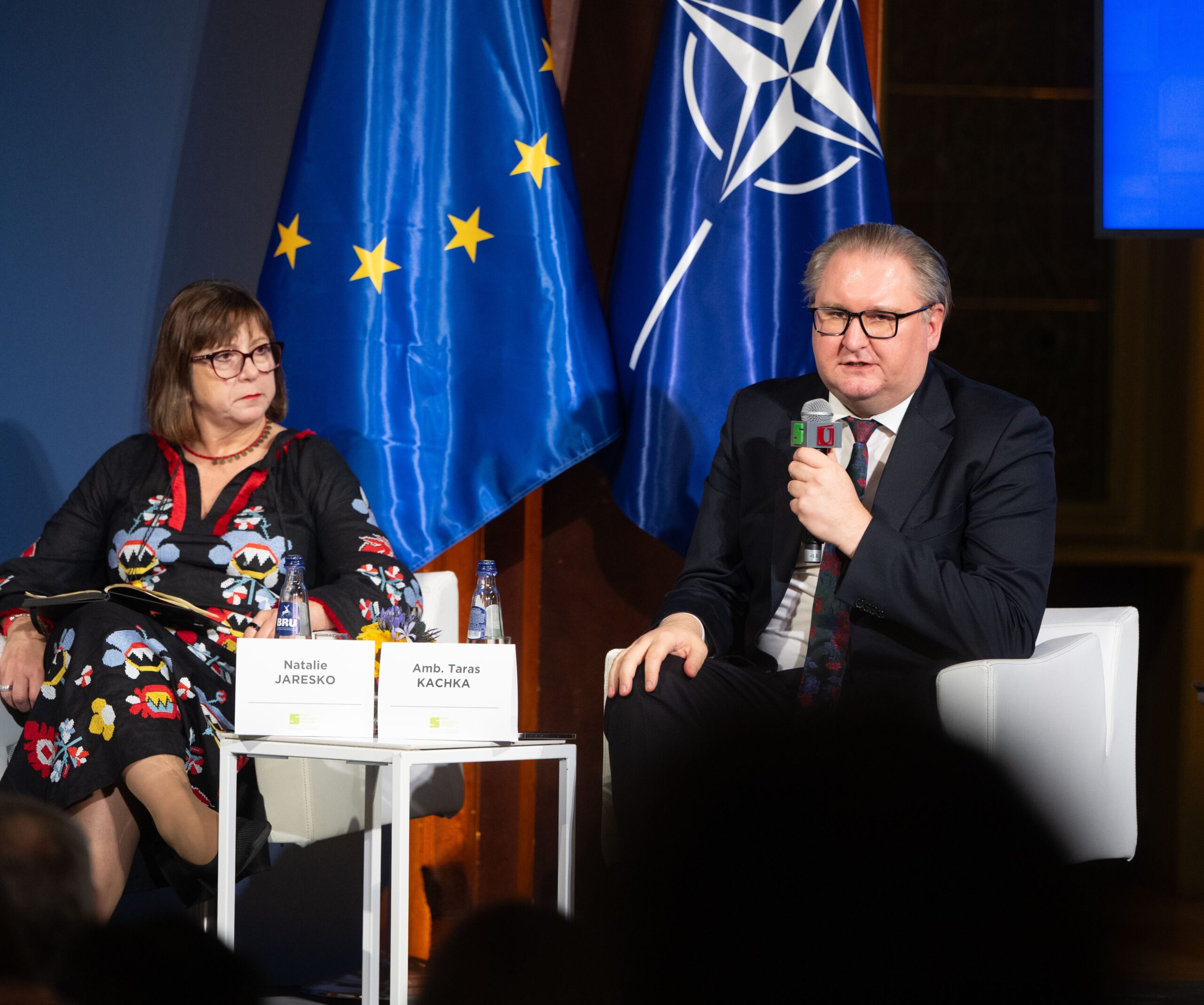
Taras Kachka emphasised that the integration of Ukraine’s electricity system with Europe’s had demonstrated its effectiveness during the full-scale war. He noted that more than €2 billion had already been mobilised through the Ukraine Energy Support Fund to procure essential equipment.
He called for stronger EU support for decentralised power generation, enabling residential buildings and businesses to continue operating even when the main electricity grid is damaged.
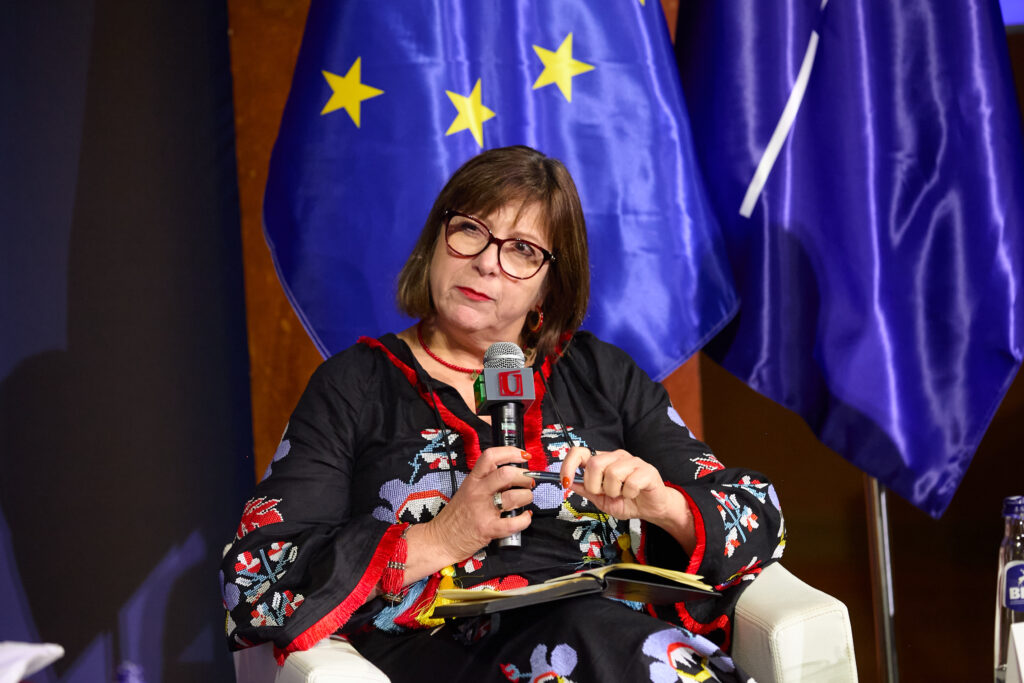
Natalie Jaresko stressed that international support must enable Ukraine not merely to survive, but to achieve economic growth and victory.
“Resilience is only survival. Survival is not our goal. We as a Ukrainian people want to flourish. We want our country to flourish,” she said.
Jaresko called for faster financing of Ukraine’s defence and economic needs, including through the use of approximately $300 billion in frozen Russian sovereign assets. She warned that delays in providing assistance would only increase the eventual costs for Europe.
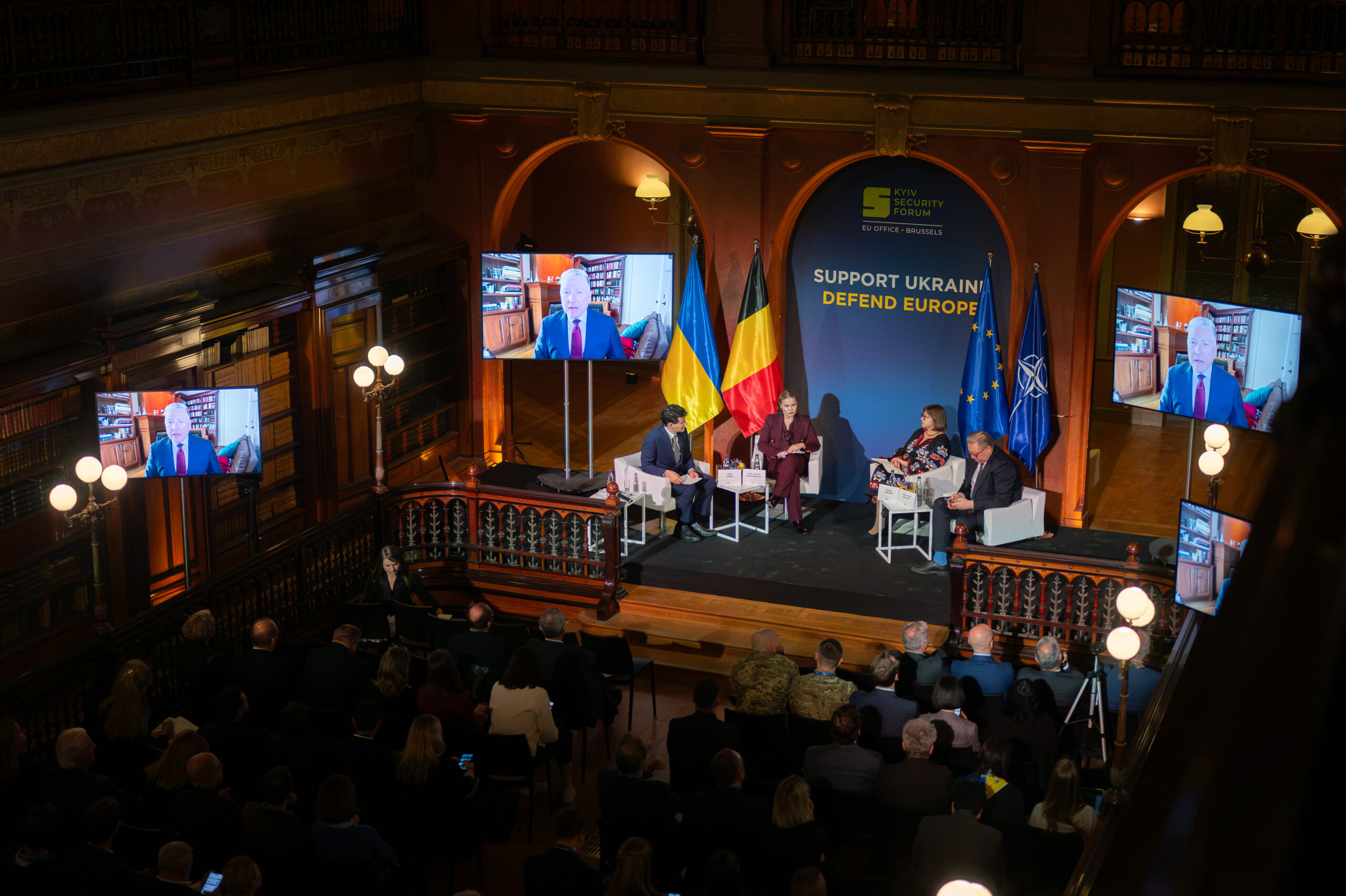
Kurt Volker emphasised that Ukraine must continue defending itself, including by targeting Russian military logistics and the financial resources sustaining the war.
He described this strategy as the right approach and stressed that the American public and Congress remain the most reliable foundation of support for Ukraine in the United States.
Addressing the prospects for peace negotiations, Volker called for a full, immediate and unconditional ceasefire, while expressing doubts about Putin’s willingness to agree to one.
The discussion underscored that protecting Ukraine’s energy infrastructure is directly linked to the country’s defence capabilities, economic resilience and prospects for achieving a just peace.
The special event “Support Ukraine, Defend Europe” marked the first high-level gathering organised by the newly established KSF EU Office in Brussels, which aims to become a permanent platform for strengthening Ukraine’s cooperation with European and Euro-Atlantic partners.